Duration
7 days / 6 nights
Exit
Punta Arenas
Cluster
7 - 12 passengers
Difficulty
Maritime expedition / nature / birdwatching
Accommodation
Aboard
Towards the outer islands of Patagonia
An exploration expedition through the Strait of Magellan and the Fuegian channels, following ancient routes of navigators, canoe peoples and seal hunters until reaching the exposed coasts of the Pacific.
For seven days we will sail aboard Estoa towards one of the least traveled territories of Patagonia: a labyrinth of channels, fjords and islands where natural history, archaeology, exploration and some of the most extraordinary seabird colonies in the far south converge.
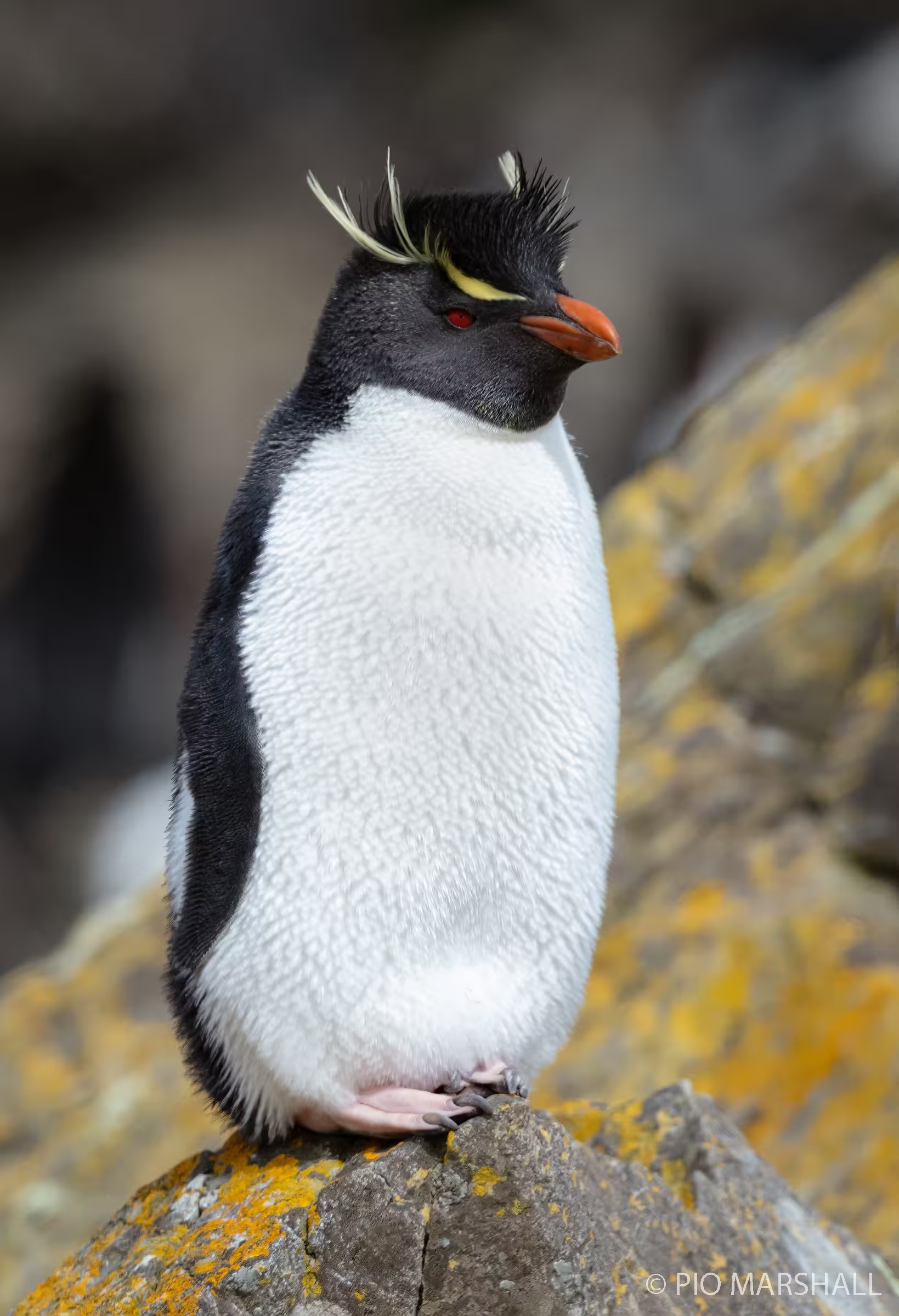
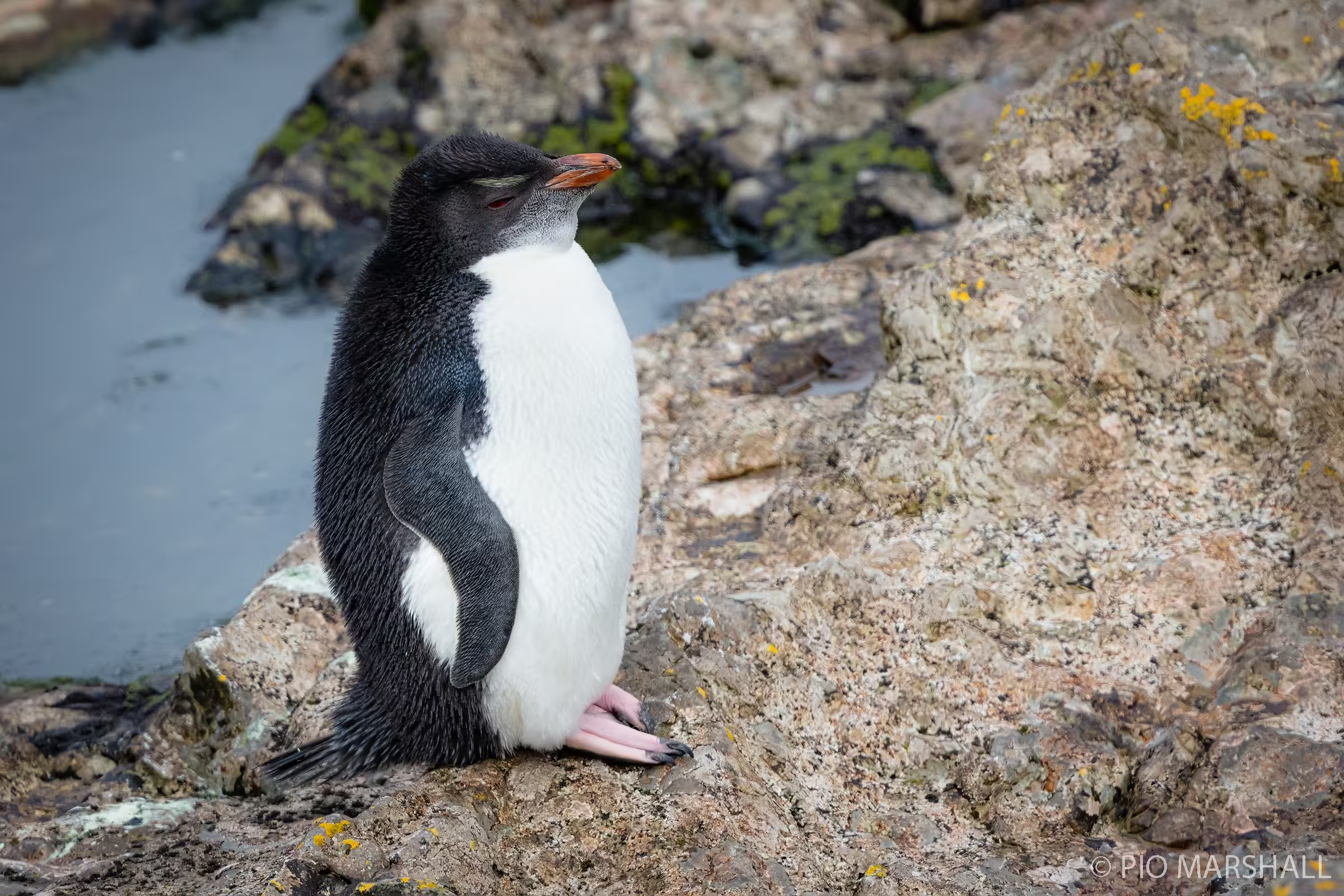
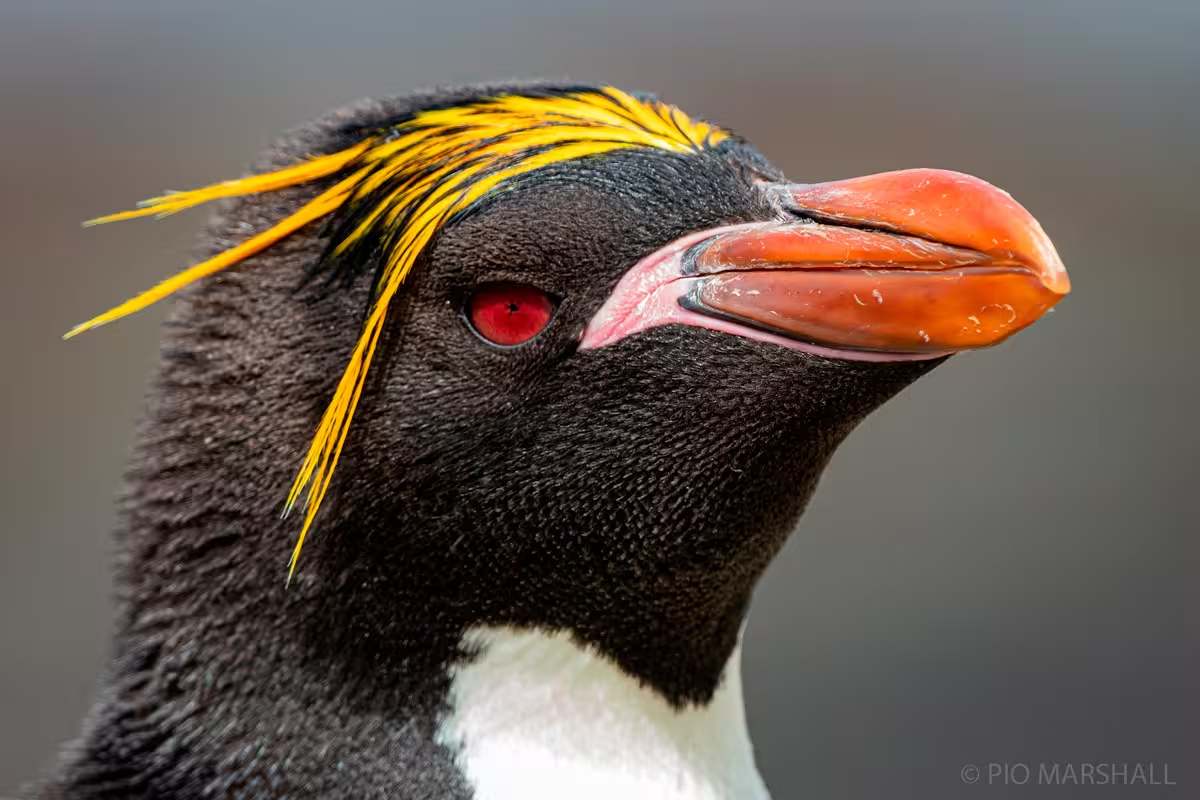
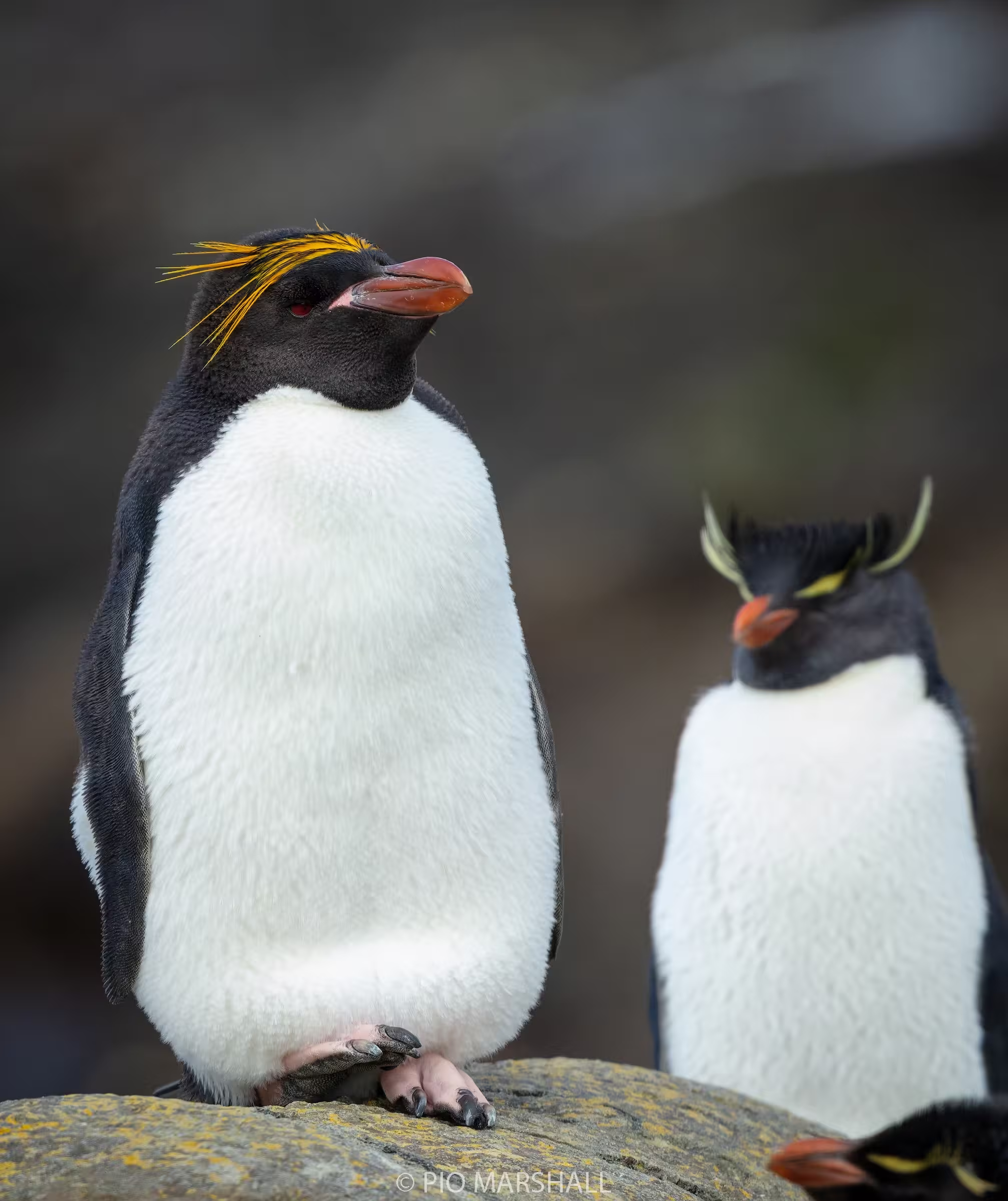
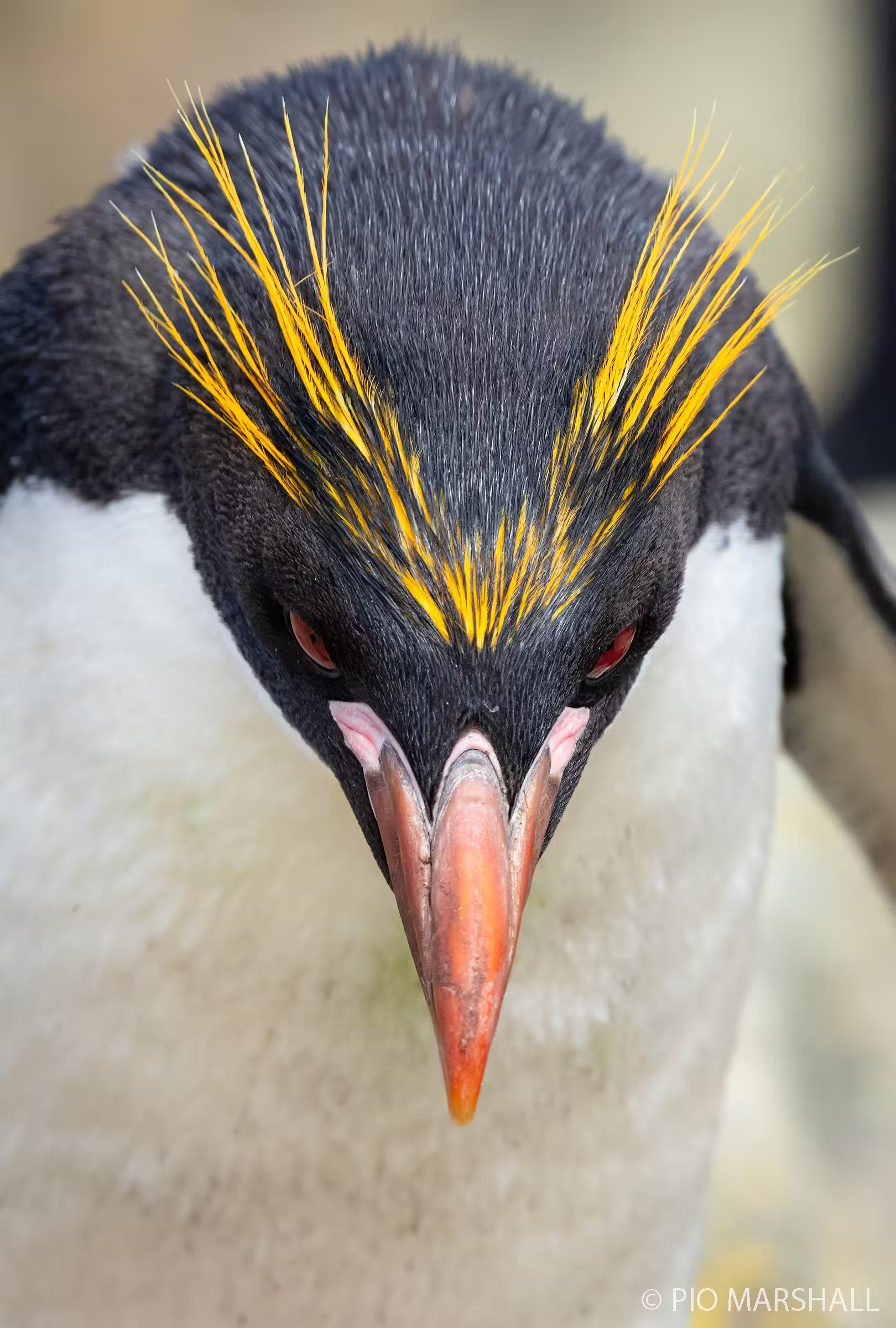
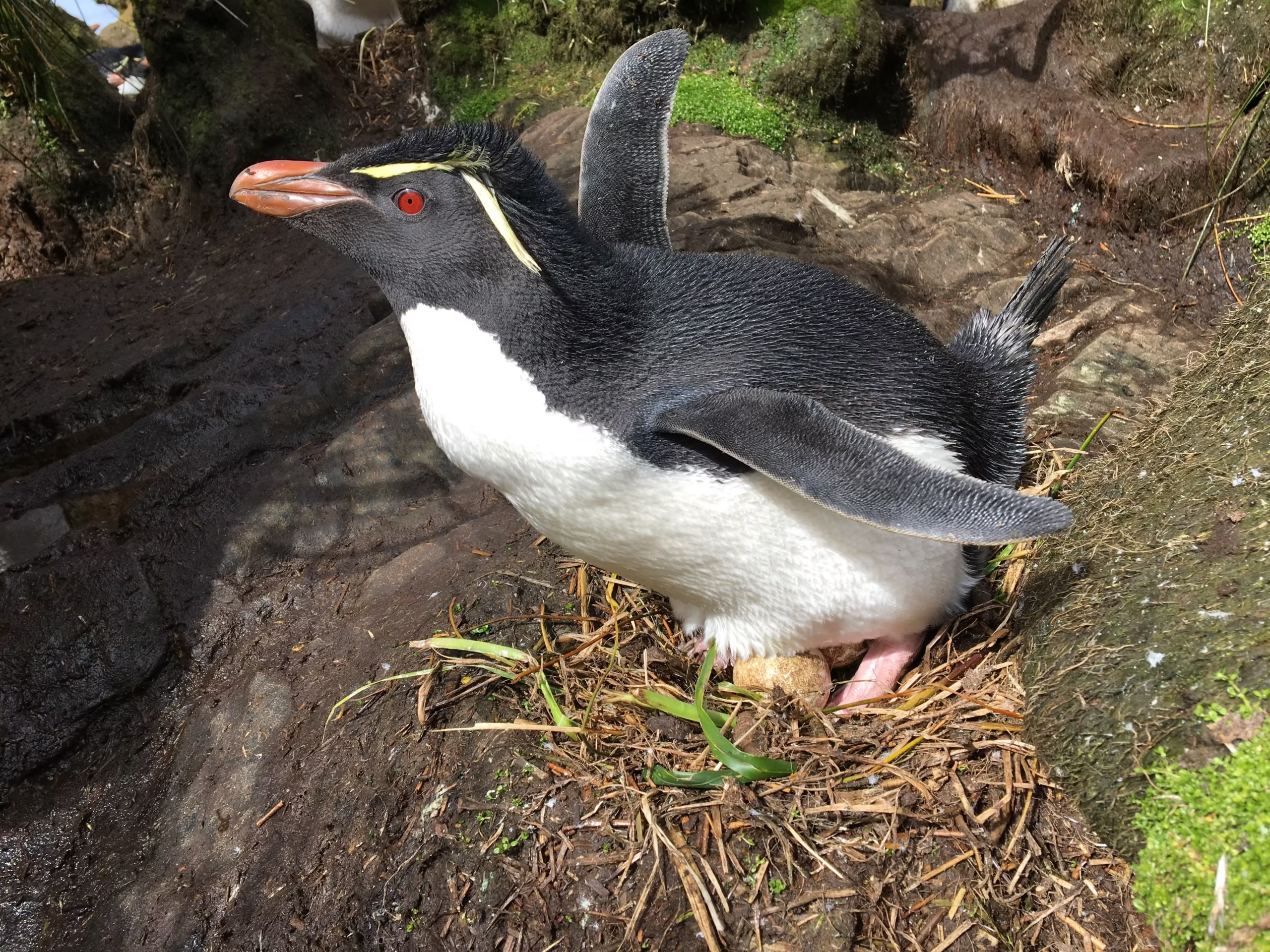
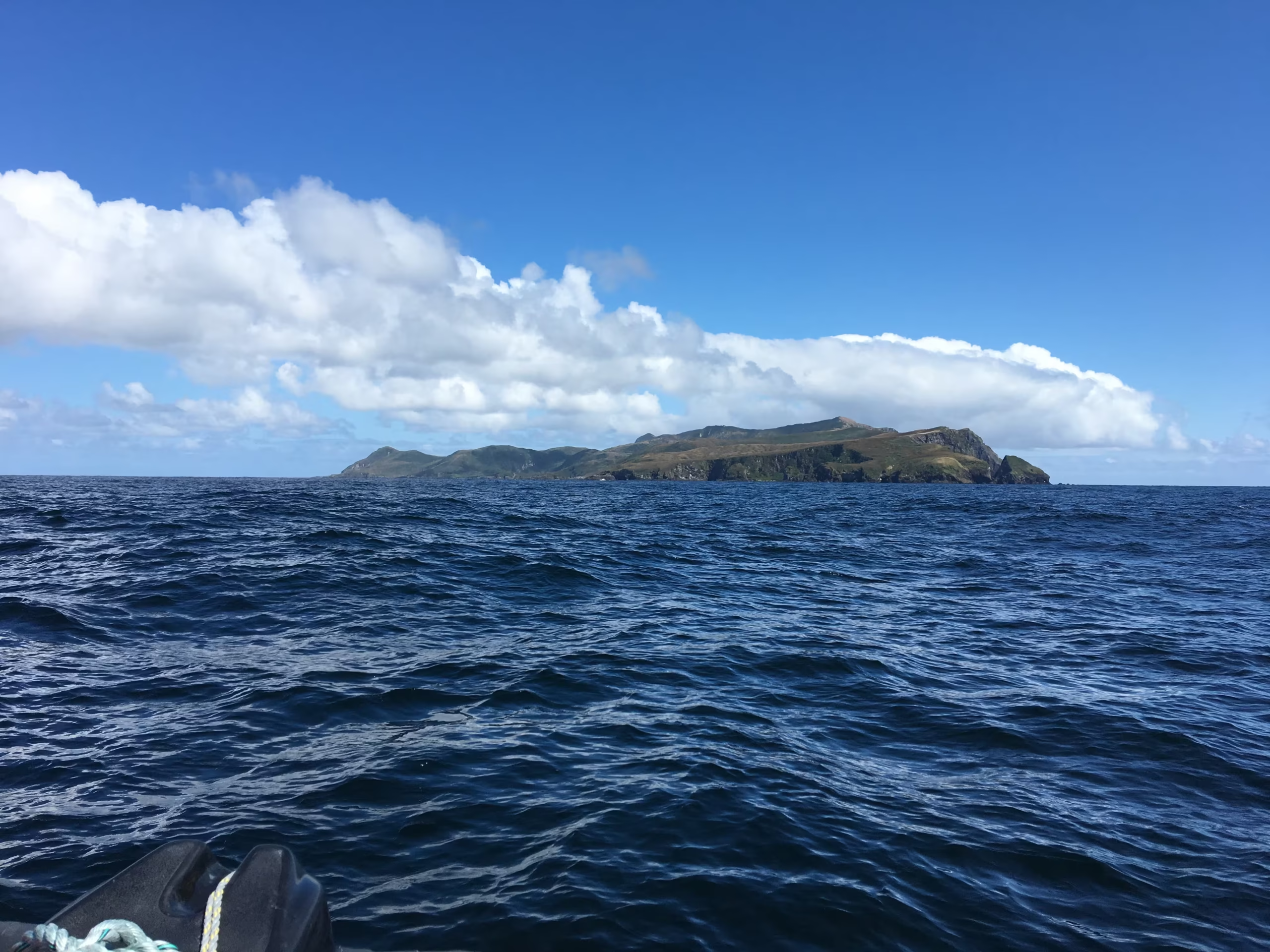
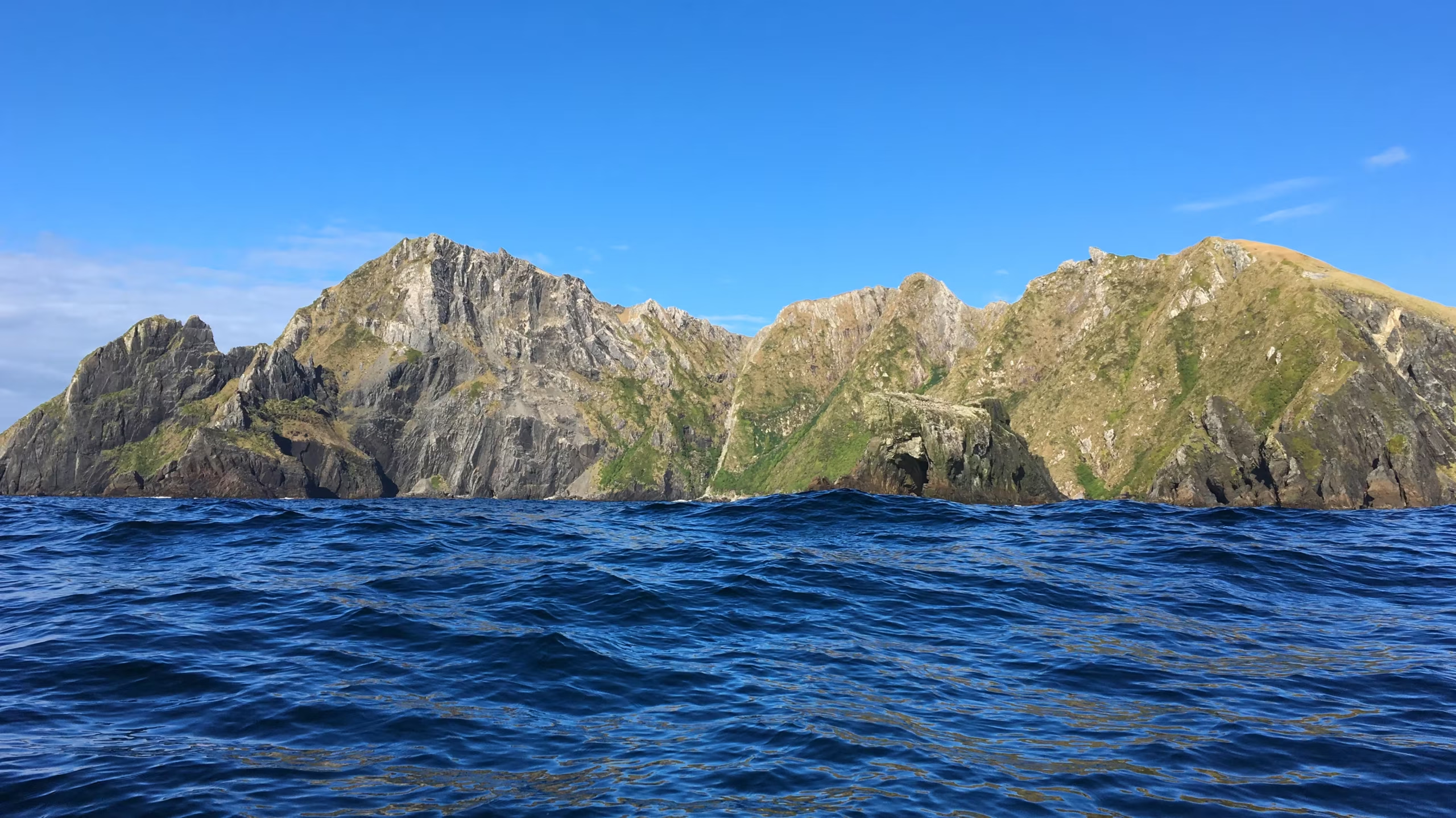
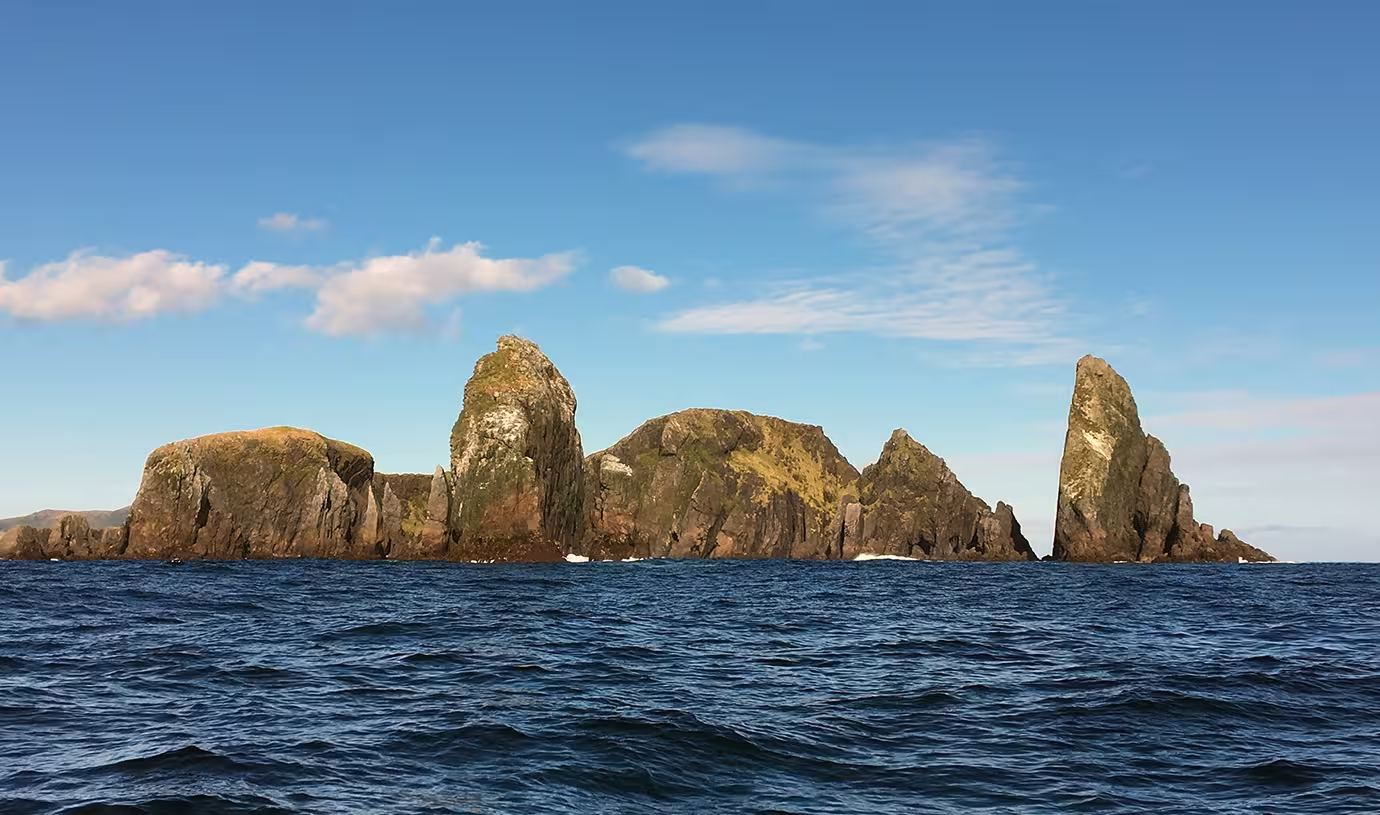
Our main goal is Isla Noir, an uninhabited island located off the Pacific and home to rockhopper penguins, macaroni penguins, black-browed albatrosses and other species characteristic of sub-Antarctic environments.
But getting there is part of the adventure.
We will follow a route inspired by the ancients seal hunters who navigated these canals during the 19th century, crossing territories traversed for millennia by the Kawésqar and places that were later the scene of scientific explorations, shipwrecks and fundamental episodes of the maritime history of the Archipelago.


Tree Point
Arrival
Fjords, bays and remnants of the Strait
Exploration
Magdalena Canal
And Barbara Channel
Exploration of the archipelago
Subantarctic Patagonia
Isla Noir
On the edge of the Pacific
Western Canals
Return
Flora and Fauna
On the expedition
History
To know
DAY 1 — TOWARDS THE WESTERN STRAIT
Punta Arenas → Puerto del Hambre → Strait of Magellan
We will start early in Punta Arenas to travel to our departure point and meet with Estoa, our vessel and exploration base for the next seven days.
From the shores of the Strait we will begin sailing west.
Very soon the urban landscape is left behind and we enter a territory marked by thousands of years of human history.
Puerto del Hambre recalls Pedro Sarmiento de Gamboa's dramatic attempt to establish a Spanish colony on these shores in 1584. Later, places related to the Kawésqar occupation, the first hydrographic explorations, and the construction of the network of lighthouses that allowed safer navigation through the Strait appear.
As we move forward, we will also begin our observation of marine wildlife.
The expedition has already begun: our destination is the Pacific.
DAY 2 — WHERE HISTORY REMAINED ON THE COAST
Fjords, bays and remnants of the Strait
We will continue sailing west, gradually entering a landscape of subantarctic forests, mountains, and sheltered bays.
Depending on the conditions, we may be able to explore sectors such as San Isidro, Snug Bay, Solano Bay, Cordes Bay or Fortescue.
These coasts preserve different layers of the history of the Strait: shell middens and culturally modified trees associated with the Kawésqar presence; old anchorages; shipwrecks; lighthouses and vestiges of the maritime routes that connected the oceans before the opening of the Panama Canal.
Here the landscape begins to be read in a different way.
A bay can simultaneously be a natural refuge, an archaeological site, and the scene of a shipwreck that occurred more than a century ago.
When site conditions and characteristics allow, some explorations may incorporate observation and documentation of maritime heritage.
DAY 3 — TOWARDS THE OUTER CHANNELS
Magdalena Channel → Barbara Channel → Western Patagonia
We will continue westward until we enter the great channels that connect the Strait of Magellan with the Pacific.
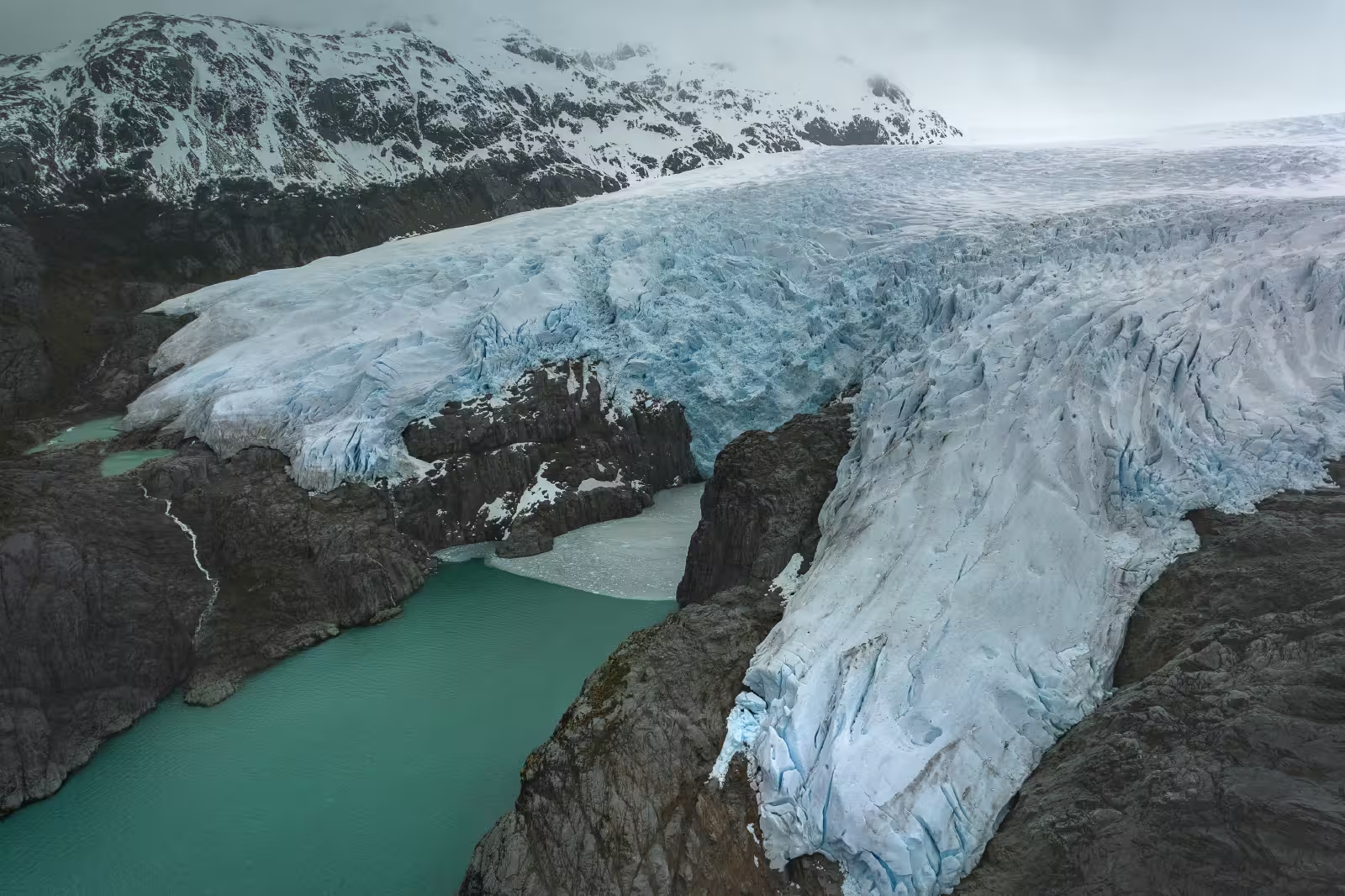
The mountains draw closer to the sea. Rock walls, fjords, forests, and hanging glaciers appear.
We enter the territory that for millennia was traversed by canoe-faring peoples and that, centuries later, was used by explorers, whalers and wolf hunters.
Our expedition takes its name from them.
During the 19th century, vessels dedicated to hunting sea lions traveled these waters, following routes to the outer islands of the archipelago. Their old logbooks describe a remote territory, difficult to navigate and extraordinarily rich in marine life.
Today we continue along some of those routes with a completely different purpose: to observe, understand and document the life that still inhabits these canals.
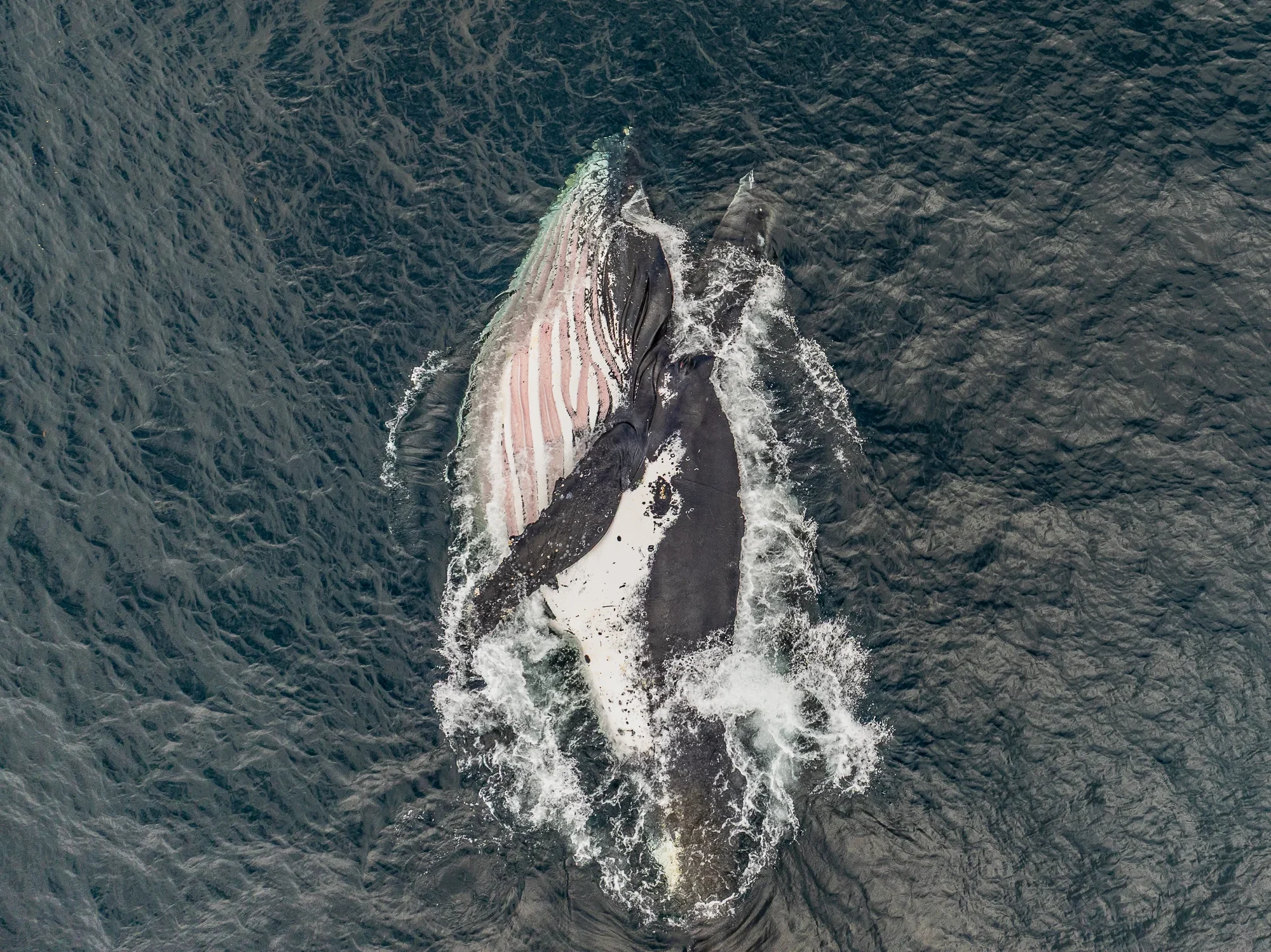
Commerson's dolphins, southern dolphins, sea lions, petrels, albatrosses and eventually whales may accompany our voyage.
Upon crossing the Barbara Channel, We gradually left behind the protected waters of the Strait.
The Pacific awaits us on the other side.
DAYS 4, 5 AND 6 — EXPLORE THE ARCHIPELAGO
The expedition begins to decide its own path
In this part of the journey we do not impose a rigid route to the territory.
We read the weather, the wind, and the ocean.
Depending on the conditions, we will be able to explore different islands and bays of the western archipelago, including areas such as Charles Island, Cape Gloucester, Hope Harbour and other points on the outer islands.
Here we look for some of the most characteristic —and hard to find— species of subantarctic Patagonia.
Among them:
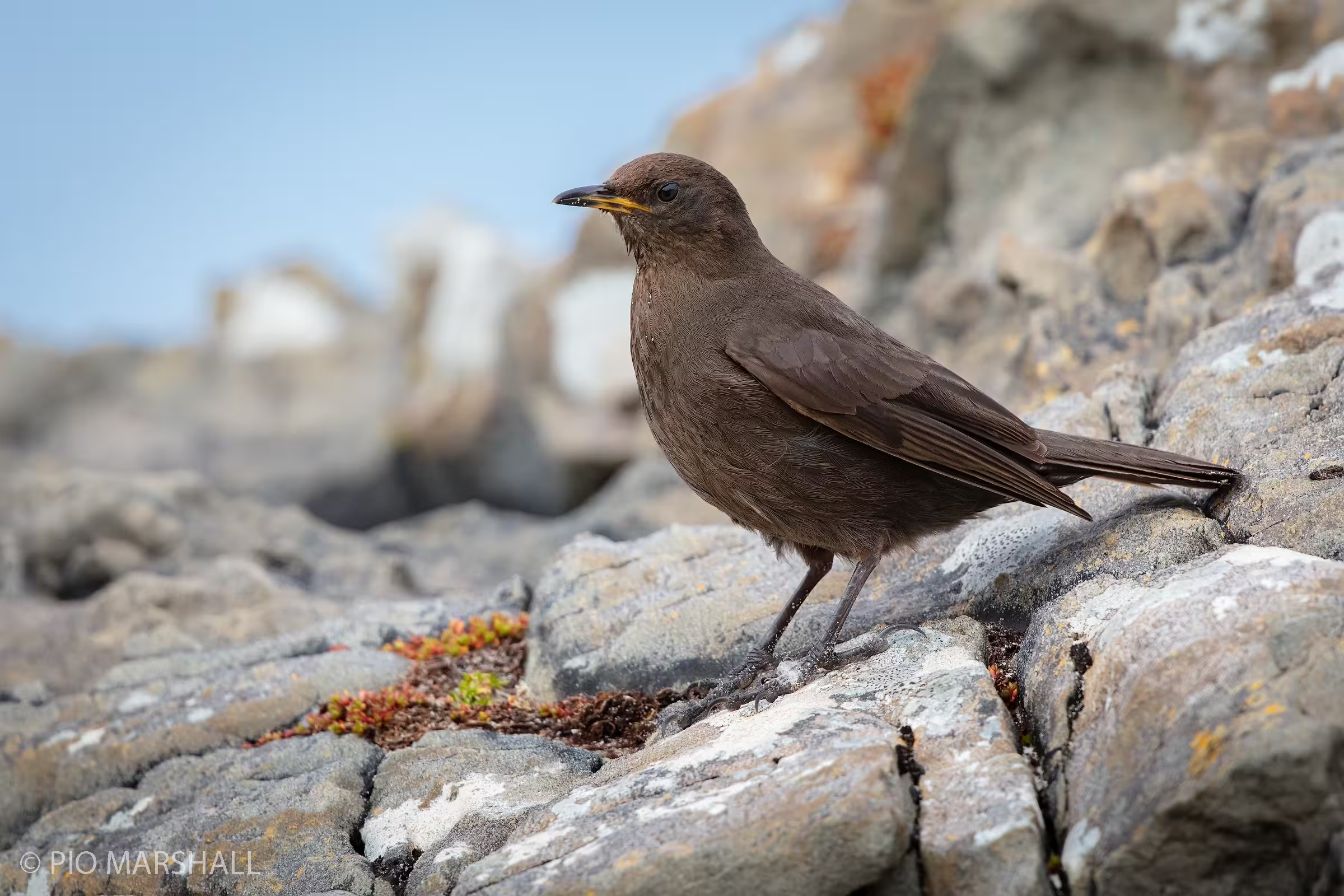
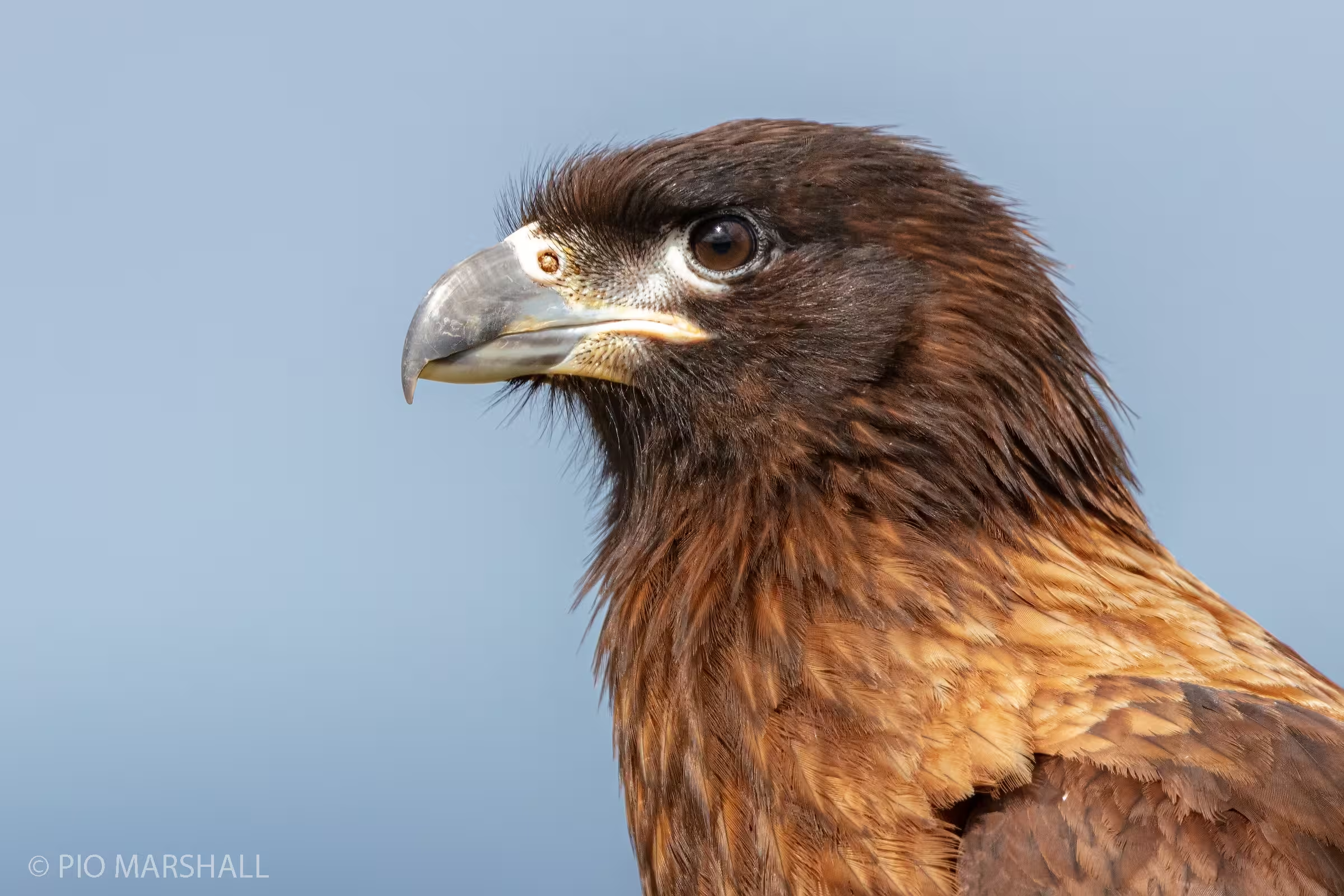
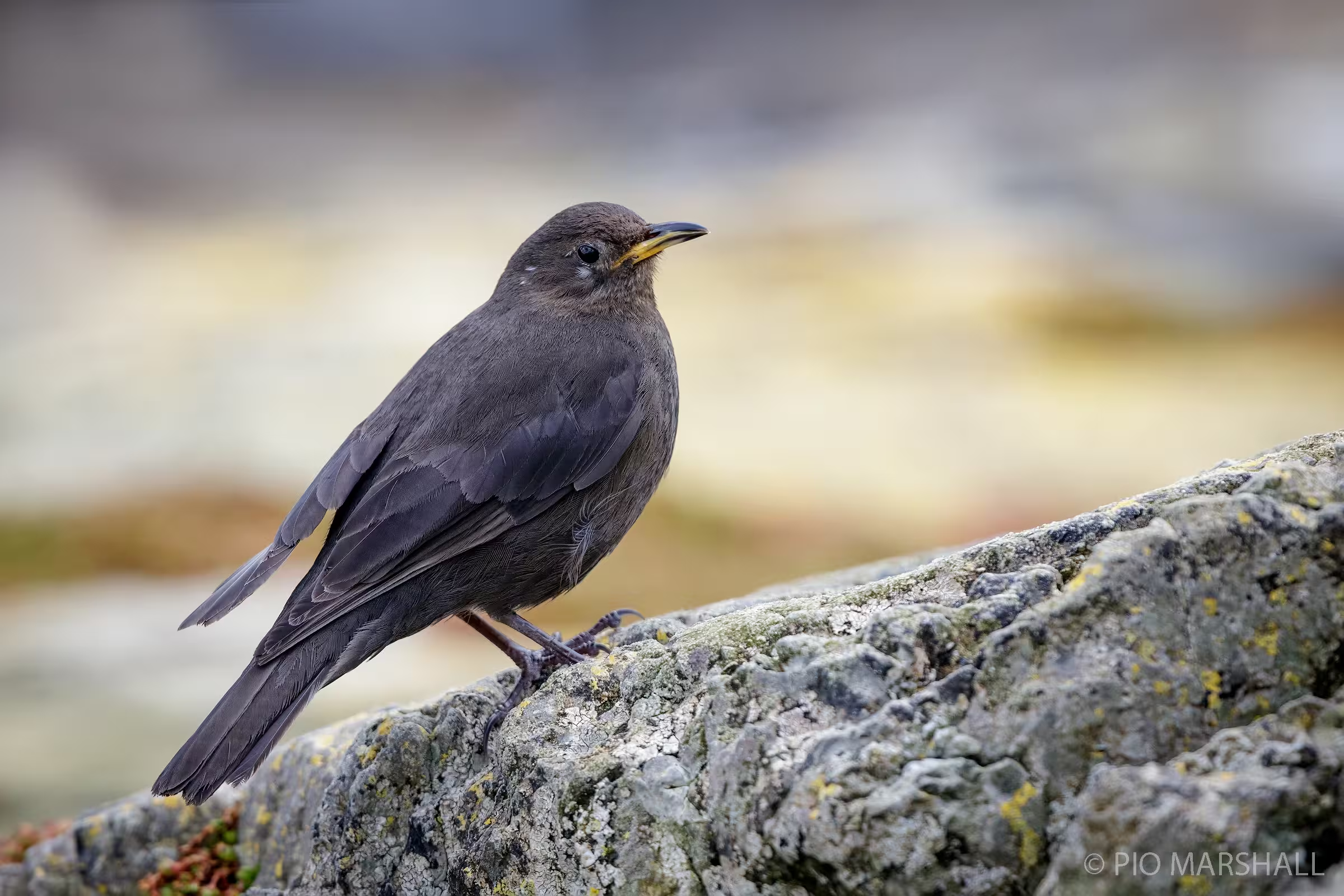
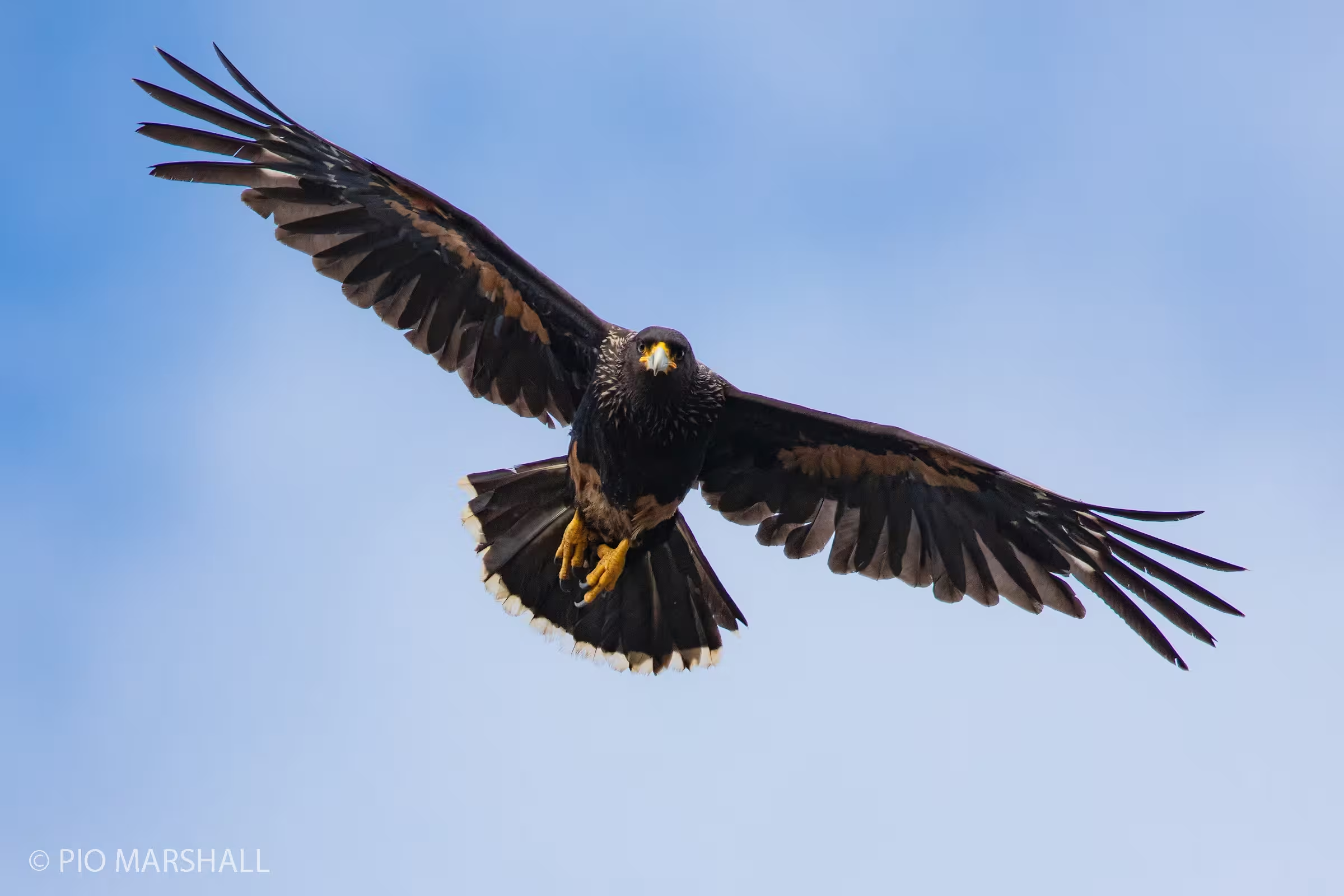
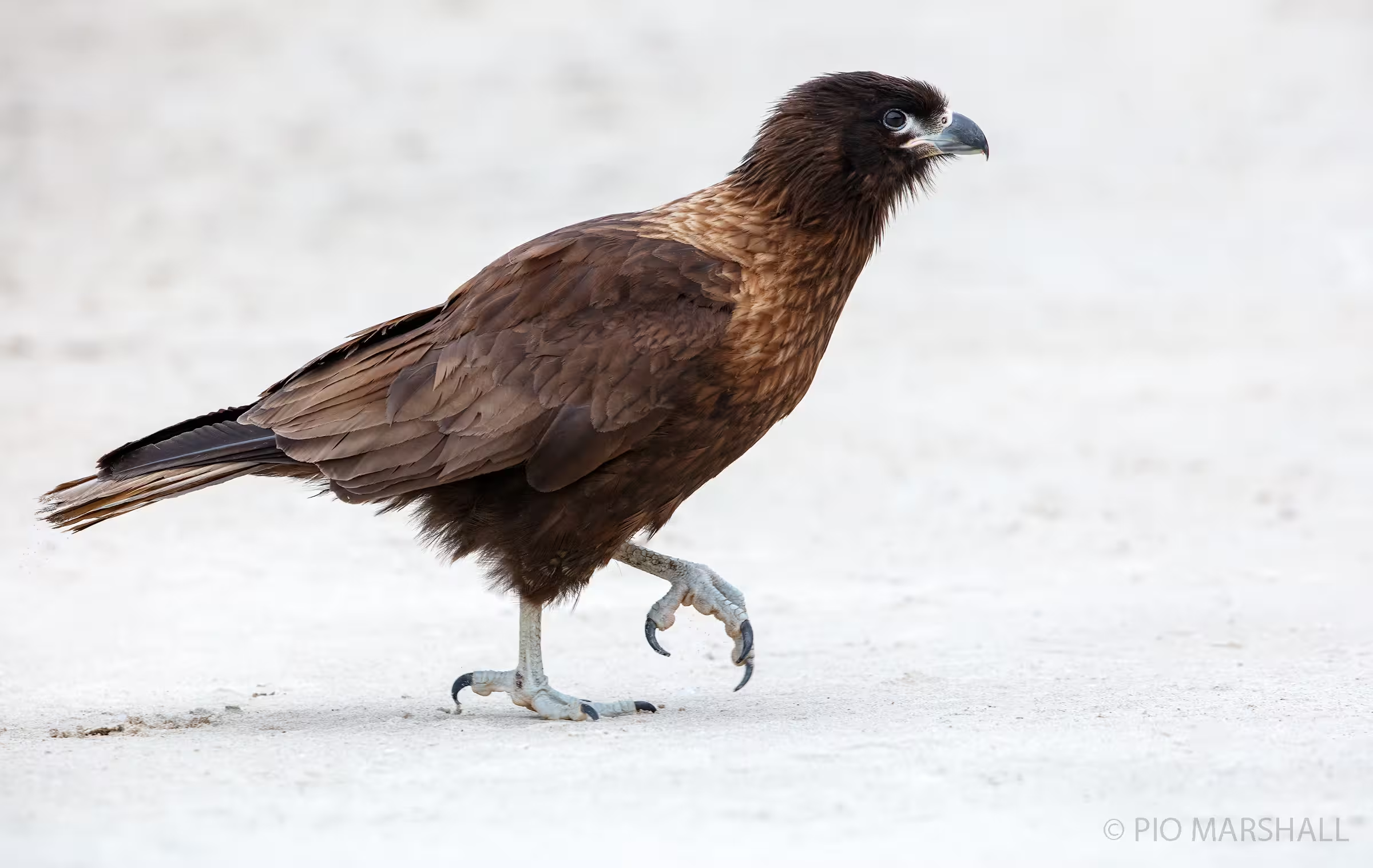
Fuegian snipe · Southern caracara · Black snipe
· Black-browed albatrosses Petrels, Penguins, South American fur seals
ISLA NOIR
An island on the edge of the Pacific
If sea conditions allow us to reach Isla Noir, we will arrive at one of the most remote places of our expedition.
Uninhabited and directly exposed to the Pacific, Isla Noir emerges from the ocean, wind and fog as a huge refuge for marine life.
Just getting here is exceptional.
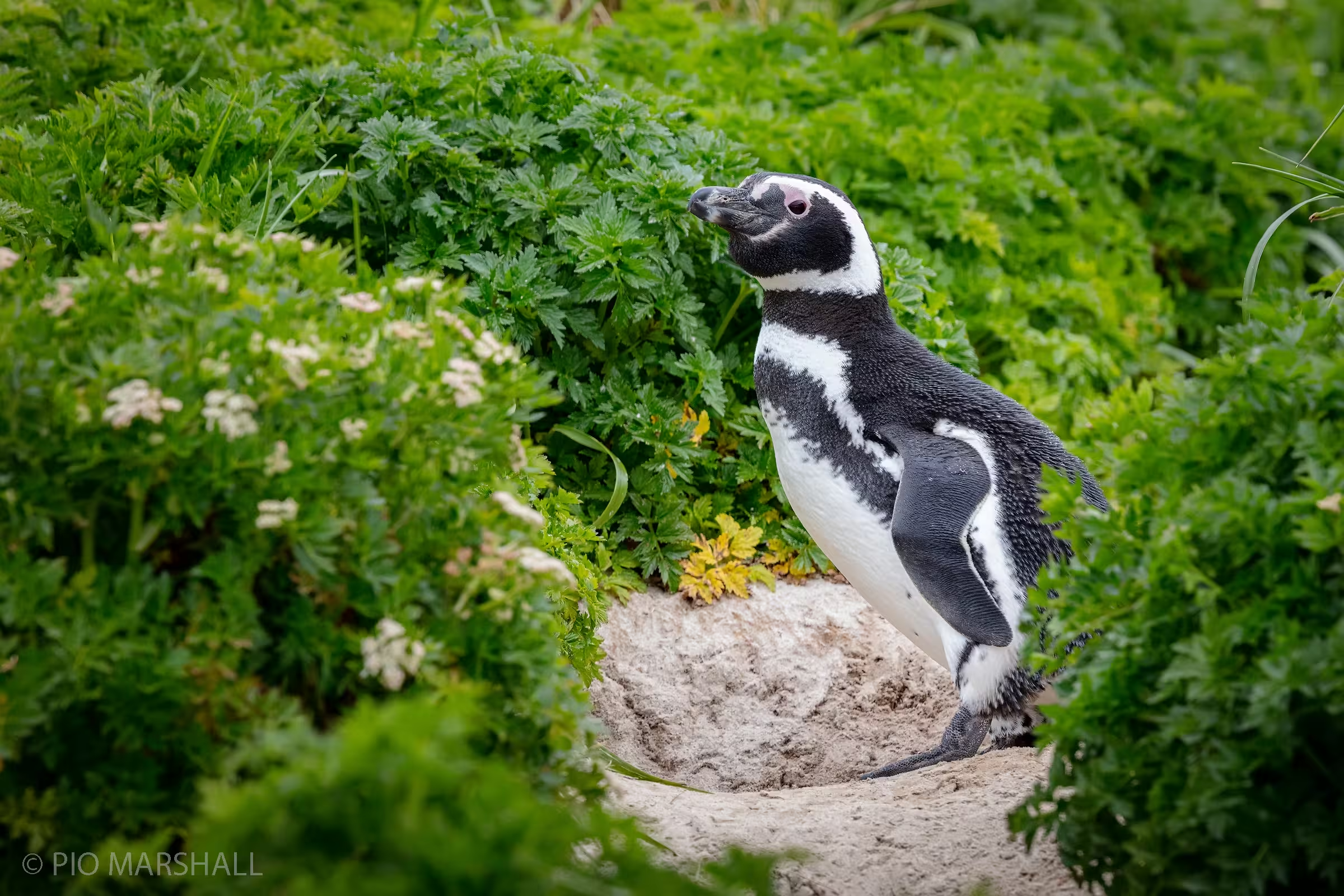
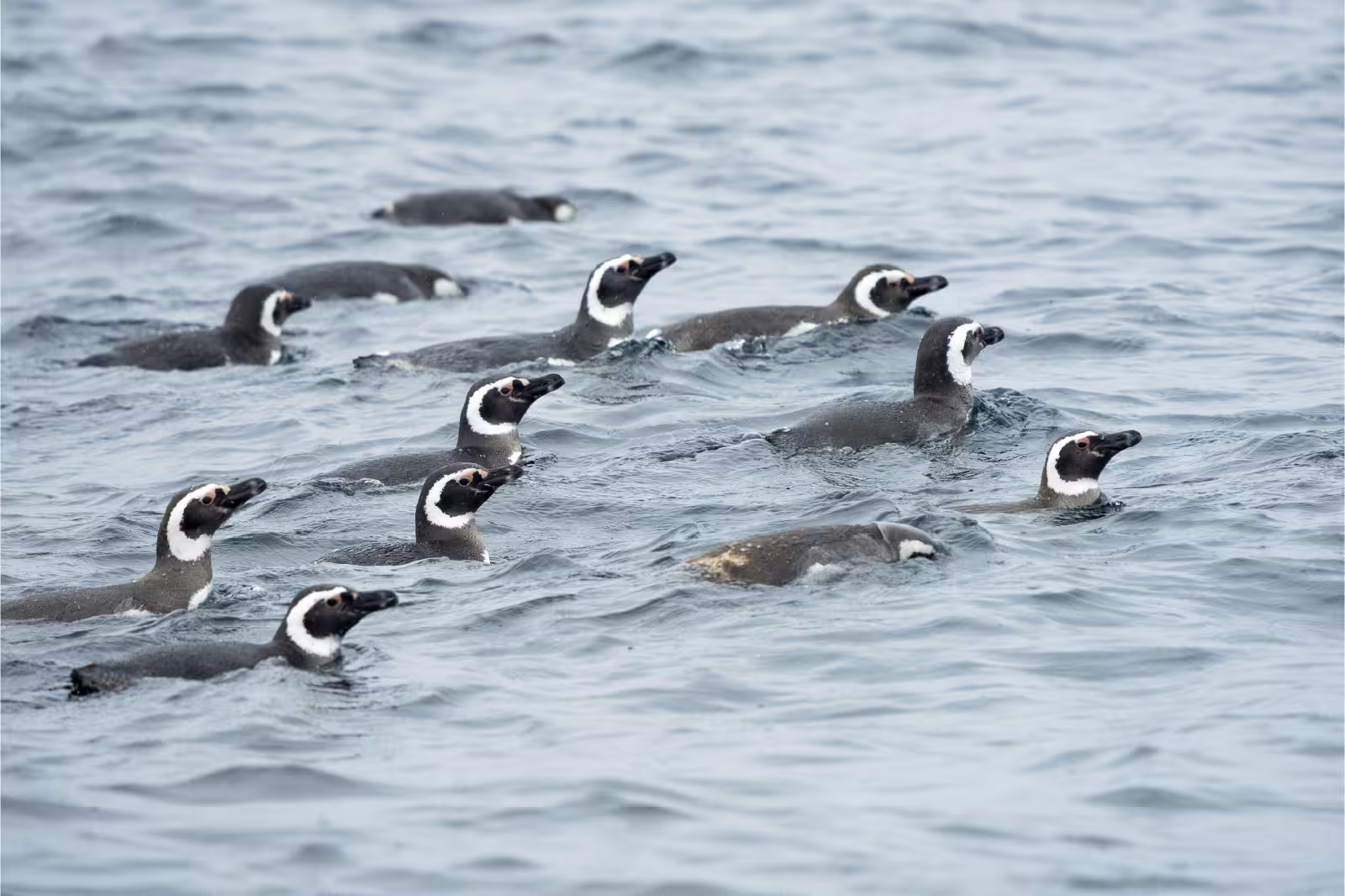
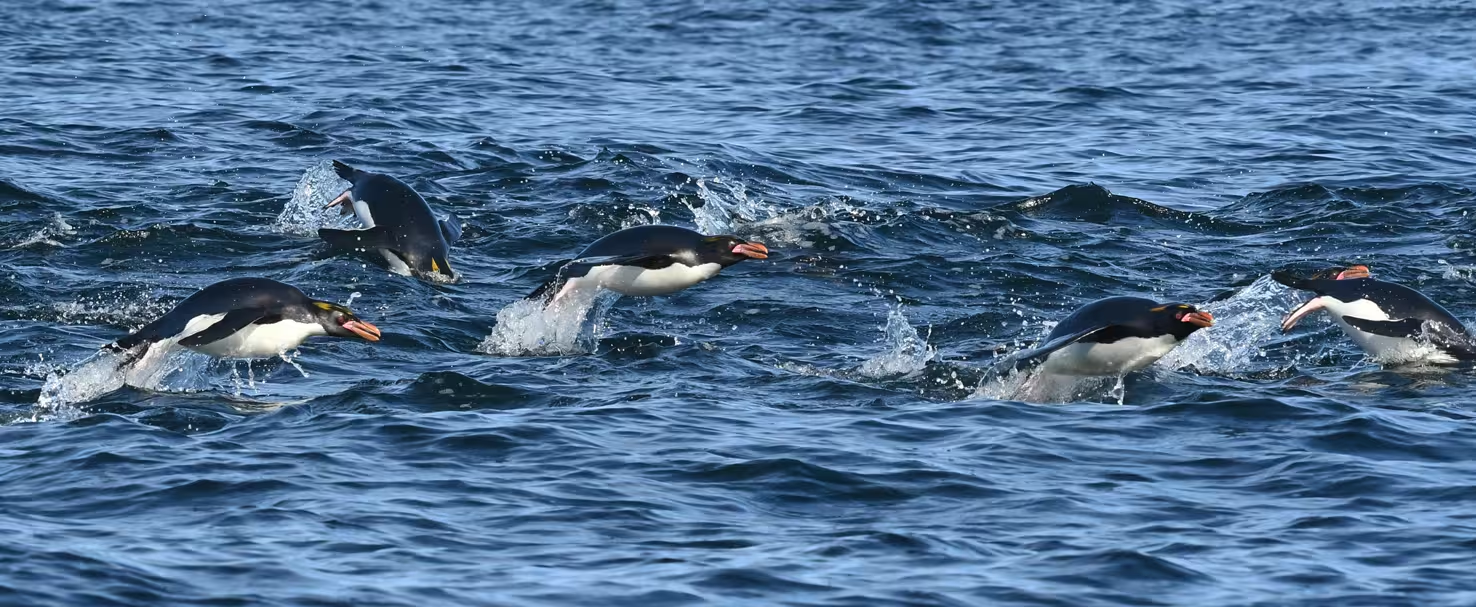
The island is home to significant concentrations of southern rockhopper penguin, ...in addition to macaroni penguins, Magellanic penguins and occasionally king penguins.
In its most exposed areas we find one of its great natural treasures: Black-browed albatrosses breeding among cliffs and subantarctic vegetation.
We can also look for some of the most special species notable for birdwatchers who reach the southernmost tip, such as the Fuegian snipe, the southern caracara and the black snipe.
From the sea, petrels, prions, cormorants and other pelagic birds are part of an ecosystem that continues far beyond the coast.
In its waters we can also find sea lions, southern fur seals, dolphins and cetaceans.
Isla Noir is not simply a stop on the itinerary. It is the natural culmination of the expedition.
DAY 7 — THE RETURN
Western Channels → Strait of Magellan → Punta Arenas
From wherever we are We will begin our return voyage towards the Strait of Magellan. Returning through these canals never means traversing exactly the same landscape.
The wind, the light, the tides, and the wildlife change.
During the return We will continue observing birds and marine mammals and will be able to stop in those places that navigation conditions allow us to explore.
Little by little we will leave the outer islands behind and return to the inner waters of the Strait.
Our arrival in Punta Arenas is scheduled for the afternoon.
After seven days at sea, the map will be the same. Our understanding of the territory will not.
FAUNA OF THE EXPEDITION
Some of the species we can find
Penguins
Rockhopper penguin · Macaroni penguin · Magellanic penguin
Large seabirds
Black-browed albatross · Southern giant petrel · Cape petrel · White-chinned petrel
Subantarctic specialties
Fuegian snipe · Southern caracara · Black snipe
Marine mammals
South American sea lion · South American fur seal · Commerson's dolphin · Peale's dolphin · Humpback whale · Minke whale
A JOURNEY THROUGH TIME
Sail through thousands of years of history.
Long before nautical charts existed, Kawésqar They navigated this labyrinth of canals for millennia.
Then came Spanish expeditions, European navigators, cartographers, naturalists, seal hunters, and ships seeking to connect the two great oceans.
Some never managed to cross it.
Their traces remain scattered along the route: shell middens, culturally modified trees, old anchorages, lighthouses, cemeteries and shipwrecks.
Main attractions
Our most remote destination: an uninhabited island off the Pacific, exceptional for its seabird colonies and its isolation
Penguins, albatrosses, petrels, cormorants, sea lions, dolphins and cetaceans accompany a voyage through some of the most productive ecosystems of the far south.
We will sail through places linked to the Kawésqar presence, the first European expeditions, old lighthouses, shipwrecks, seal hunters and explorers
The weather and the ocean determine our progress. Each expedition may discover a different territory.
We will live and sail aboard Estoa, using the vessel as our exploration base throughout the expedition
Important
This is a expedition in remote territory. Weather and sea conditions may alter the itinerary, sailing times, and places visited.
Wildlife observation depends on natural conditions and cannot be guaranteed.
Estoa
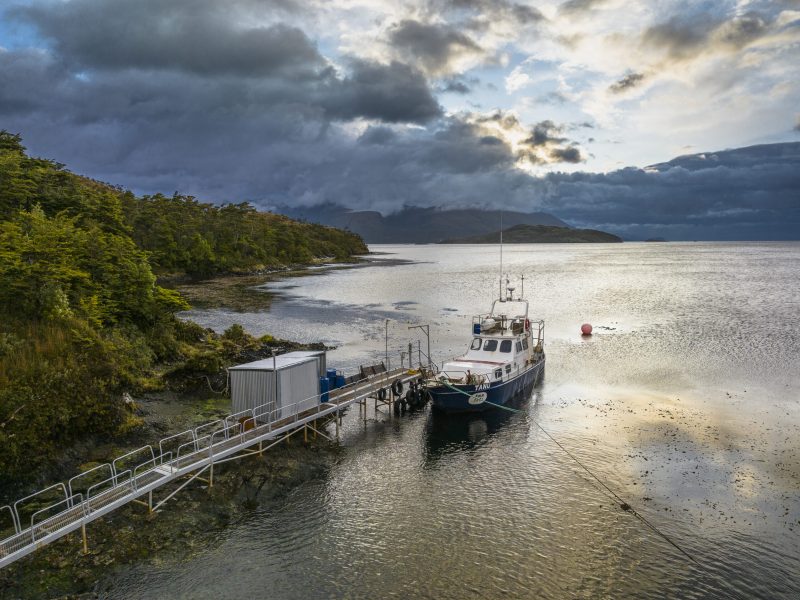
Our new addition to the team, a 19-meter-long boat with a lounge for more than 30 square meters which will provide comfort for our new and more extensive navigation routes.
Characteristics
Overall length: 19.35 MTS
covered Length: 18.50 MTS
Maximum beam: 6.00 MTS
Average deaph: 2,575 m
Passengers: 30 daytime, 12 overnight
Life raft: for 50 Persons
Speed: 10 knots